

The intensification of extreme climate events has devastated the environment, put lives at risk, and pressured Brazil’s agricultural productivity. In 2024, national grain production fell 7.2%, according to the Brazilian Institute of Geography and Statistics (IBGE). The harvest dropped from 315 to 293 million tons. Estimates indicate that between 2013 and 2022, Brazil lost R$260 billion due to climate impacts. Projections from the AdaptaBrasil platform forecast significant declines by 2030: corn (-51%), wheat (-46%), beans (-23%), and rice (-15%). The outlook for livestock is equally alarming: milk (-18.8%) and beef (-7%).
Brazil plays a crucial role in global food supply. The country is one of the top four food producers in the world and is the largest exporter of beef and chicken. Beyond the economic impact, it is global sustenance that is at risk. Food security is under threat, and projections show that the conventional production model is not capable of facing the challenges ahead.

In some circles, there is a persistent illusion that Brazil’s food production will be safeguarded by technology. Heavy bets are placed on the development of advanced seeds, modern irrigation techniques, satellite technology, GPS, drones, and the use of Artificial Intelligence to plant crops or even create new technologies. This is seen as the main path to boosting productivity in times of extreme events. But it is unlikely that technology alone will be enough.
The issue is systemic, just like in healthcare. We know there will never be a breakthrough vaccine or a revolutionary drug to cure chronic diseases, because they are linked to habits. Eating habits, physical activity habits, consumption of ultra-processed foods, stressful lifestyles, and even farming habits – whether crops receive more or fewer additive – all form part of the problem. It is a set of factors. If change is possible, it will be through a shift in attitude, society, behavior, culture, and education. It goes far beyond a pill.
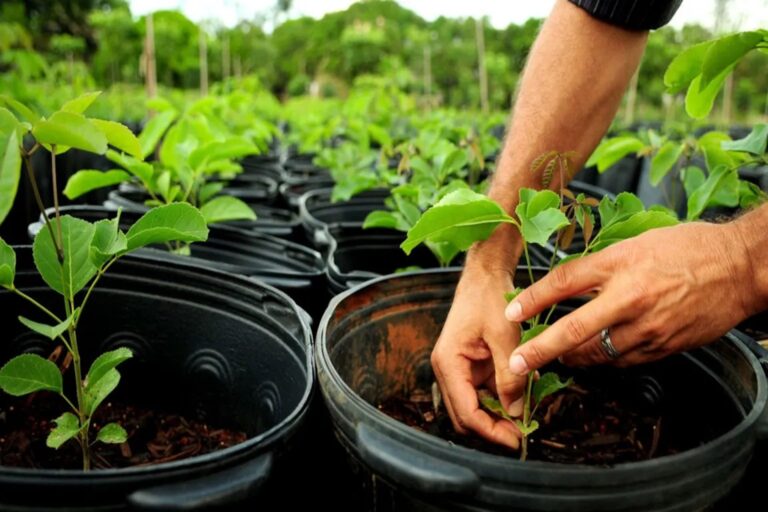
The challenge for food production is equivalent. Climate change manifests in multiple, unpredictable ways. At times, extreme events overlap. We are not transitioning from one stable climate pattern to another predictable one. We are leaving a climate system and entering chaos. In the face of such uncertainty, the best way for farmers to keep production and security is to adopt more resilient practices. Regenerative agriculture stands out as one of the main solutions. By restoring soil health and promoting environmentally responsible practices, this model offers tangible benefits to agricultural production, whether small or large-scale. It strengthens production systems, increases soil water retention, improves infiltration, and regulates the microclimate, making crops less vulnerable to extreme weather. In other words, it helps maintain, or even increase, productivity in times of climate instability.
The benefits are visible. The Regenera Cerrado project in Brazil compared regenerative and conventional farming practices on properties of up to 300 hectares. In the 2022/2023 harvest, second-crop corn yields were 44% higher in regenerative areas. Production costs were also lower: R$3,222.41 versus R$3,417.64 in traditional systems. Soybeans also showed reduced costs: R$6,252.96 in regenerative farming against R$7,273.23 in conventional systems.
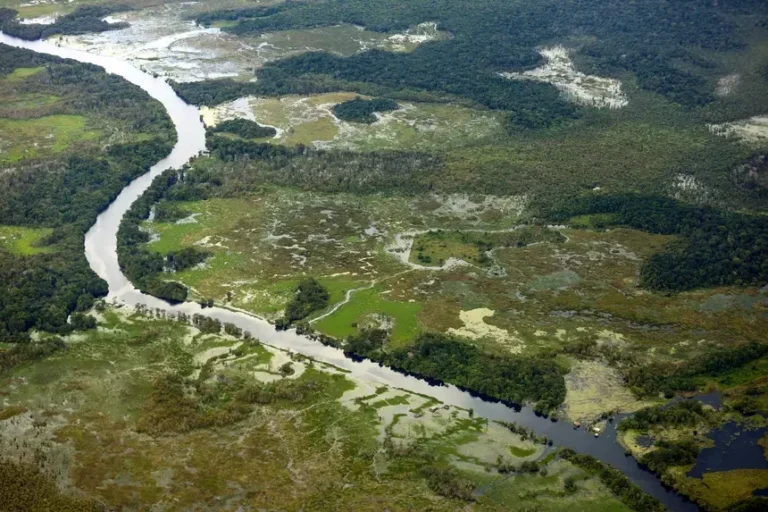
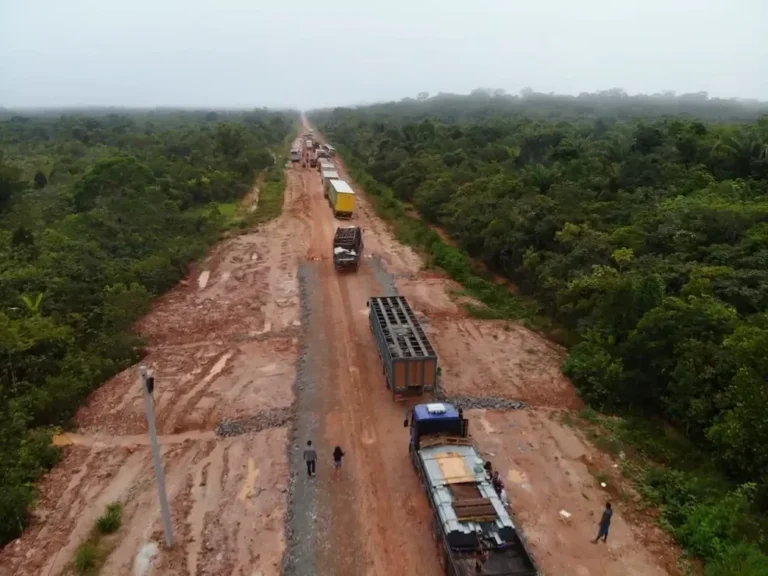
Adopting regenerative practices in livestock farming also plays a key role. The sector is Brazil’s main source of greenhouse gas emissions. Data from Amazônia 2030 shows that between 2000 and 2022, pastureland in the Amazon grew 54%. It is estimated that 54% of pastures in the region are degraded to some degree. Close attention to the sector and the region is essential for maintaining rainfall cycles across Brazil’s agricultural areas. The Amazon rainforest strongly influences rainfall patterns through the so-called “flying rivers,” carrying water that feeds rivers and irrigates crops in multiple regions. When these currents pass over deforested areas, they lose moisture, reducing rainfall along the way. Practices such as proper pasture management, crop-livestock-forest integration (CLFI) and workforce training are crucial to improving pasture quality, increasing productivity per hectare, and slowing deforestation.
At FERA, the Business Front for Regenerative Agriculture, this transformation is already underway. The initiative brings together farmers committed to regenerative practices that combine productivity with environmental responsibility. The goal is to expand adoption by advocating for financial incentives, public policies, and skilled labor.
The group showcases examples of how regeneration boosts yields and reduces losses. One case is that of Lucimar Silva, a coffee producer in Patos de Minas (Minas Gerais). Amid two consecutive years of severe drought that devastated neighboring farms, she maintained her 450 hectares of specialty coffee production without losses. She credits this resilience to regenerative practices: increased biodiversity for natural pest control, healthy soils that retain moisture, the use of bio-inputs, and the protection of forests and springs, ensuring water security and crop health.
In Serra da Canastra (MG), farmer and agronomist Vinícius Ferreira Soares, also a FERA member, has witnessed similar changes. He produces certified organic Canastra cheese on a 25-hectare farm, 11 of which are preserved forest. Since adopting regenerative management in 2019, the landscape has transformed. Giant anteaters and maned wolves have reappeared, the soil has become richer in organic matter, and a headwaters that used to dry up every year now flows year-round, feeding the Araras stream and, further downstream, the São Francisco River. The cheese he produces, made from milk from cows that graze under shade trees, has gained flavor and value.
This shift in perspective means natural ecosystems are no longer seen as obstacles or background scenery to be removed, but as assets, or even as rural insurance. Furthermore, forest production, through natural or assisted regeneration, is growing as a business for carbon capture, climate stabilization, and spring restoration in times of widespread water crises, while clean water from natural ecosystems becomes more valued. Farmers in key watersheds will increasingly have financial and institutional incentives to adopt regenerative practices.
Regenerative agriculture is an adaptation strategy with the potential to lead a new agricultural revolution. But adequate incentives are needed. For small farmers, access to credit, technical assistance, and marketing channels is essential to ensure scale and stability. For large producers, tax incentives and policies that reward environmentally responsible practices are among the most important measures. Action is needed to make regenerative farming competitive with conventional systems and to accelerate the transition. The future of cultivation in Brazil depends on what we plant today.
*This opinion piece is the responsibility of its authors and does not necessarily reflect the views of ((o))eco.
This story was originally published in Portuguese. The translation was done with the assistance of Artificial Intelligence, with final review by the journalist Fabiani Matos
As informações apresentadas neste post foram reproduzidas do Site O Eco e são de total responsabilidade do autor.
Ver post do Autor